
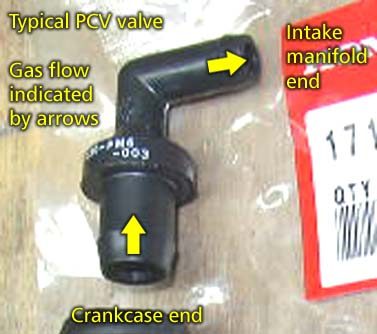
In this post I will be explaining what a PCV valve is, how it operates and when you should replace it as part of routine maintenance.
What is a PCV Valve?
A PCV valve or positive crankcase ventilation valve is a one-way valve usually located on the engine’s valve cover that is responsible for removing/recirculating unwanted gases from your engine’s crankcase.
How does a PCV Valve operate?
An engine’s PCV valve is vacuum operated. When open, the PCV valve allows the engine’s blow-by gases, the oil or fuel that slips past the piston rings, to be rerouted back into the air-intake to be burned and processed through the emissions system.
Symptoms of a malfunctioning PCV valve.
A malfunctioning PCV valve or stuck-open PCV valve may cause your engine to idle roughly or misfire, have trouble starting, and you will likely experience increased oil consumption. If your PCV valve is stuck closed it will not allow the previously mentioned gases to escape which will cause sludge to form.
In conclusion, an engine’s PCV valve is a vital part of a vehicle’s emissions system, and if not properly maintained and serviced, can cause many issues. On average you should replace your engine’s PCV valve every 30,000 to 50,000 miles depending on manufacturer recommendations. Of course, if you are experiencing any of the above listed issues you may want to replace your PCV valve sooner.
Authored by Steven H.